Pressure Culture in the Creative Industry: The Impact and How We Can Change It

TL; DR
Some creatives find that deadlines help them focus, but excessive pressure can lead to stress and contribute to burnout.
Pressure affects people differently: People respond to pressure in different ways. For some creatives, deadlines can boost motivation, while for others, they may create pressure on themselves that reduces creativity and leads to burnout.
Burnout impacts more than individuals: Burnout affects overall creative teams, project quality, retention, and the long-term health of the industry.
Change requires collective effort: Creatives, leaders, agencies, and studios all play a role in building healthier and more sustainable ways of working.
Creative work often carries a certain image. People see creatives as passionate, driven, and willing to go the extra mile to bring ideas to life. Over time, that passion can blur the line between healthy commitment and unhealthy expectations.
The conversation around pressure culture in creative industries is not new. Some creatives work well under pressure. Others find that it chips away at their creativity. Either way, this mode of working shouldn’t be normalised, as it can lead to creative burnout.
A 2022 study on creative performance pressure found that pressure affects creatives in two distinct ways. First are those who have a challenge mindset and treat pressure as an opportunity to push their creativity forward. Second are those with a threat mindset who find that pressure blocks innovation altogether.
There’s no right or wrong answer. One thing is clear: pressure culture as an industry norm does more harm than good. In this article, we’ll break down what pressure culture looks like, how it leads to creative burnout, and what it takes to start changing it.
Table of Contents
What Is Pressure Culture?
Pressure culture in the creative industry means working under high stress, heavy workloads, tight deadlines, and the constant expectation to always produce. Rest is treated as a weakness. Slowing down feels like falling behind.
In this environment, productivity often becomes the main measure of success. Creatives feel the pressure to always produce, respond quickly, and deliver exceptional work regardless of their workload or personal capacity.
This pressure can come from external sources such as client expectations, project deadlines, shrinking budgets, and competitive markets. It can also come from within. Many creatives place high expectations on themselves, worry about falling behind, or feel guilty when they take breaks.
If any of this feels familiar, you're not alone. Many creatives experience periods where the demands of the work begin to outweigh the enjoyment they once felt. For example, repeatedly working late to meet deadlines or handling multiple revision rounds of client feedback can take a toll over time.
Recognising that pressure exists is often the first step towards building healthier and more sustainable ways of working, not a sign of weakness.
How Does It Lead to Creative Burnout?

The creative industries run on passion. Film, theatre, music, media, animation, art — these fields attract people who genuinely love what they do. And because of that love, long hours, unpredictable schedules, and high-pressure deadlines get treated as part of the deal. But when passion becomes a reason to overwork, under-support, and treat exhaustion as normal, the outcome is not better creative work — it is burnout.
Job insecurity, shrinking budgets, changing client expectations, and constant deadlines all add to the pressure creatives already carry. Over time, sustained pressure makes it harder to maintain focus, energy, and enthusiasm for the work.
When recovery becomes an afterthought, burnout becomes more likely. Creatives may feel exhausted, disconnected from their work, or unable to perform at the level they expect from themselves.
Burnout chips away at the quality of creative work, drives people out of the industry, and leaves teams without the energy they need to do their best work.
The Impact of Pressure Culture
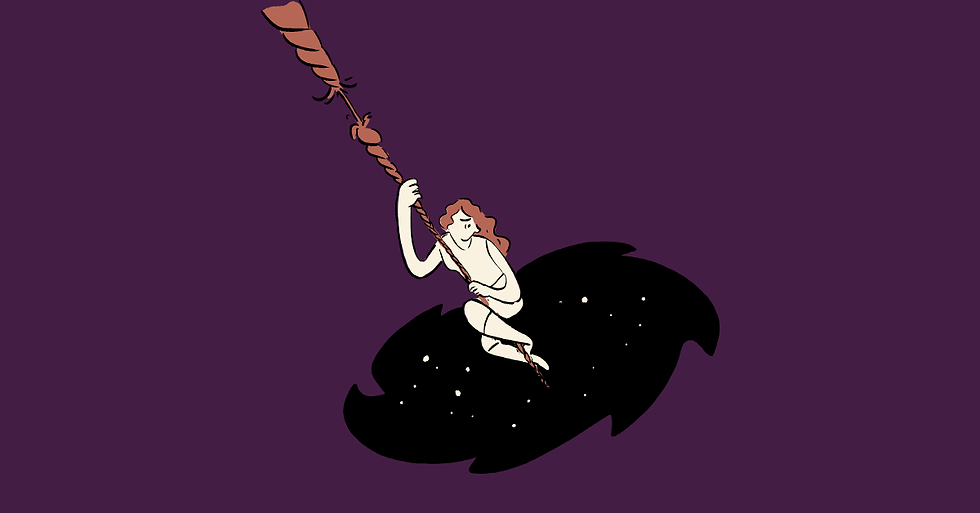
Pressure culture in the creative industry affects more than individual creatives. Over time, it shapes how teams work, how organisations operate, and how sustainable the industry becomes.
For Individuals
Pressure can affect both well-being and creative performance.
Mental and emotional exhaustion: Constant deadlines and high expectations can leave creatives feeling drained—even when they still love their work.
Reduced creative thinking: When people focus on keeping up with demands, they have less space to explore ideas, experiment, and solve problems creatively.
Difficulty disconnecting from work: Many creatives carry work-related stress into their personal time, making it harder to recover and recharge.
For Creative Teams
Pressure rarely affects one person alone. It often influences the entire team's dynamic.
Less collaboration: Team members may focus on completing tasks quickly instead of sharing ideas and giving thoughtful feedback.
Communication becomes reactive: Teams in pressure-heavy environments spend most of their energy reacting to urgent fixes, rather than creative discussions or sharing ideas freely.
Lower morale: Constant pressure can reduce motivation and make work feel like a cycle of deadlines rather than a meaningful creative process.
For Organisations
A workplace culture built around constant pressure often creates long-term challenges.
Higher risk of burnout: Employees who operate under sustained pressure are more likely to experience exhaustion and disengagement.
Increased turnover: Talented creatives may leave when workloads become difficult to sustain.
Reduced quality of work: Teams with little time to refine ideas often focus on delivery speed rather than creative excellence.
For the Industry
The effects of pressure culture in the creative industry extend beyond individual workplaces.
Loss of experienced talent: Burnout pushes skilled creatives to change careers or leave the industry altogether.
Fewer sustainable career paths: New creatives may struggle to build long-term careers if overwork becomes the expected norm.
A cycle that reinforces itself: When pressure becomes part of workplace culture, each new generation of creatives may feel obligated to accept it as standard practice.
Building a Healthier Creative Culture
Pressure has long been part of the creative industry, but more creatives, teams, and organisations are rethinking how work gets done. Many still work in fast-moving environments where deadlines, client expectations, and changing priorities are part of the job.
That does not mean burnout has to be the price of doing creative work.
A healthier creative culture begins when people recognise that creativity is not an unlimited resource. Ideas need time to develop. People need time to recover. Sustainable creative work makes room for both.
For some creatives, this may mean setting clearer boundaries around their time and energy.
For team leads, it may mean creating more realistic timelines and encouraging open conversations about workload.
For organisations, they can start by building recovery time into project timelines, normalising conversations about workload, and recognising the effort behind creative work, not just appreciating the results.
Small changes may not transform an industry overnight, but they can change how creative work feels day-to-day. They create space for creatives to stay connected to the work they love without sacrificing their well-being in the process.
As creative work always has its intense seasons, with challenges, deadlines, and moments of intensity, the goal is to ensure that those seasons stay temporary, not become the permanent setting.
Conclusion
Pressure will always be part of creative work, but it does not need to define the experience of it. When creatives, teams, and organisations take small steps toward healthier ways of working, the impact builds over time. Better conversations and clearer expectations can make creative work feel more sustainable without taking away its drive or purpose.
Frequently Asked Questions (FAQs)
What are the signs of an unhealthy pressure culture in a company?
The signs include constant demands for output beyond what employees can realistically manage, long working hours without rest, and heavy workloads without recognition or appreciation.
How does pressure affect creativity?
Pressure affects creatives differently. Some creatives find that the right amount of pressure can create momentum and motivation. Others find that sustained pressure narrows thinking and makes it harder to take the creative risks that produce the best quality. Neither response is a character flaw; it's worth knowing which applies to you.
How do I tell my superior I’m overworked?
Communicate your exhaustion honestly and clearly. A thoughtful manager will want to understand the team’s situation and work with you to find a practical solution. Frame your concerns in a way that supports a shared understanding and helps both sides move toward a healthier balance.
Author's Bio
With a background in travel and lifestyle storytelling, Farah enjoys turning everyday overwhelm into something a little softer, a little funnier, and a lot more human. She believes in building habits that actually stick (most days), romanticising productivity just enough to survive it, and finding meaning in the mess in between. Currently based in Malaysia, Farah continues to explore writing as both a craft and a coping mechanism, working as a creative writer at TESSR. To know more about her, check out her LinkedIn.

Comments