Soft Skills Great Animators Have Up Their Sleeve

Animation, a word that’s much simpler to spell than the process itself. There’s a lot that goes into animating: sketching, storyboarding, frame-by-frame outlines, colour and shading. But in today’s animation industry, technical skills alone aren’t always enough.
Many studios are now looking for versatile animators who can adapt to various styles, tools, and media and who have strong interpersonal skills. These qualities make a real difference, not just in getting hired, but in how effectively someone contributes to a project. The ability to communicate clearly and work well within a team plays a big role in how smoothly a project comes together.
So, if you are building your career as a professional animator, it’s worth expanding your skill set beyond technical animation alone. In this article, we’ve listed the skills you need to grow, stand out, and work more effectively in real production environments.
TL;DR
Professional animators with skills beyond technical abilities work more efficiently and benefit from stronger long-term career growth.
Being versatile improves both individual workflow and teamwork within production teams.
Having key non-technical skills is essential for success in the studio industry.
Understanding your limits helps sustain consistent performance in demanding production environments.
Table of Contents
Why It's Not Just About Animation Skills Anymore
Often, animation projects at a studio level are built step by step — also known as a production pipeline. It is a structured process that guides a project from ideation and concept development to the final output. It generally follows three main stages: pre-production, production, and post-production.
Depending on the complexity of the project, each stage involves different specialists and teams working together to complete their part of the process. In most studio environments, stages rarely work in isolation. Cross-collaboration is central to how projects move forward. This is why, at a production level, success relies heavily on clear communication and effective collaboration.
Strong technical skills help you build your foundation, but soft skills often play a significant role in how far you can grow in your animation career. In practice, both are developed over time and work together to support long-term growth in the industry.
4 Soft Skills That Make You a Stronger Animator
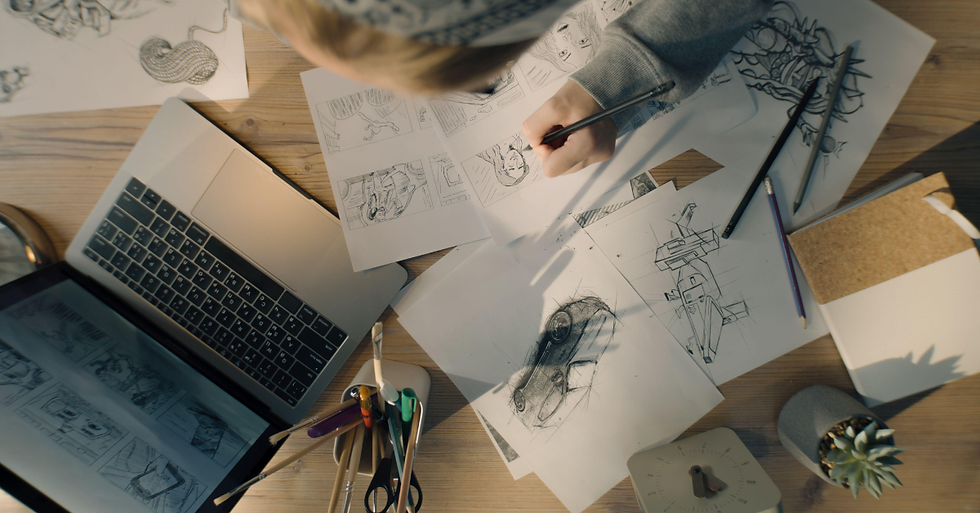
Like all other professions, animators with strong soft skills help not only themselves but others, too. Strong individuals in a team never fail to push the team further, and that eventually leads to the success of the whole team and the projects they work on.
#1: Verbal and Visual Communication
Verbal and visual communication is the ability to listen attentively and clearly express ideas through spoken discussions, written notes, and visual tools such as storyboards. This skill helps make brainstorming sessions, feedback rounds and pitch presentations more efficient.
For example, in the pre-production stage, animators often present storyboard ideas to directors and other departments (and sometimes clients). Clearly conveying concepts such as character movement, timing, and scene flow helps ensure that everyone is aligned before the project moves further down the production pipeline.
Why it Matters in the Animation Industry
In a pipeline-based workflow, seamless communication helps reduce costly revisions across the pipeline, from storyboarding to rendering, while improving collaboration between teams. This not only ensures smooth production but also supports career growth into lead animator or supervisory roles by demonstrating reliability in team environments.
#2: Critical Thinking & Problem-Solving
Critical thinking and problem-solving skills often work together. It's the ability to analyse challenges logically, identify root causes, and find solutions within production constraints. It involves understanding not just what's wrong but why it's happening and how to fix it.
For example, an animator's walk cycle keeps getting rejected despite multiple revisions. Instead of continuing to revise without direction, they review the feedback, spot inconsistent notes across rounds, and request a quick sync with their supervisor to align on timing and weight references.
Why it Matters in the Animation Industry
This skill is essential when it comes to complex pipelines and interdependent teams. Being able to minimise downtime and errors through initiative and timely solutions helps enhance production efficiency. As a bonus, it positions your professional role for career growth towards leadership.
#3: Audience & Market Awareness
Audience and market awareness is the ability to understand what audiences respond to, how trends evolve, and what studios look for from a commercial perspective. It moves beyond visuals to creating animation that connects with audiences. Ask questions like why they should care, what motivates them to engage, and who is likely to connect with the story. These can help shape work that is both creative and relevant.
For example, through market research, a studio discovers that family audiences are increasingly drawn to emotionally driven stories with culturally diverse characters. The team uses this insight to reshape their protagonist's backstory and visual design to reflect a broader cultural background while ensuring the emotional storytelling still speaks to different age groups. This alignment strengthens the pitch and improves the project's commercial viability.
Why it Matters in the Animation Industry
Studios work in a very competitive industry driven by streaming platforms and global audiences. This skill helps match creative work with what people actually want, reducing the chances of failed projects and creating more opportunities for pitches, studio jobs, or freelance work. It also helps future-proof careers in the age of AI. Understanding audiences becomes a key advantage for creatives.
#4: Project Management Skills
There are several components and parts in an animation project that require certain skills to ensure everything runs smoothly. Animators who equip themselves with project management skills recognise the importance of structure despite the chaotic nature of animation projects. Skills like time and risk management are essential to estimate deadlines and potential issues that would come up in the future.
Most of the time, animation studios use project management tools to help them manage the pace and complexity of the pipeline. These tools usually help lay out the timeline and manage feedback and pipeline workflow.
But tools won't deliver any benefits unless they are put into use. Developing the habit of applying these skills leads to more productive and efficient work. The most foundational project management skills include planning, prioritisation, feedback, and communication.
TESSR is a project management tool built for animation studios, designed to help you manage reviews, projects and tasks with communication built directly into each scene or revision. Find out more about what we offer and give us a try when you're ready.
Frequently Asked Questions (FAQs)
What skills do you need to become an animator?
To name a few, the fundamentals of animation, understanding movement and conveying emotions. Skills like these create characters who emote and express in almost life-like ways. Without them, the animations would look stiff and lack the dynamics that make them feel ‘real’.
What is the best platform for beginners to learn animation?
Depending on the type of animation you want to learn, there are several platforms you can use to learn animation. Many beginner animators go to YouTube and follow animators like Lucas Ridley for Maya 3D lessons and Matthew Fryer for learning the entire animation process. Other platforms you can learn animation on are Animation Mentor, Domestika, and School of Motion.
Where can I find free resources for improving character animation?
YouTube has been a go-to resource for beginner animators to improve character animation. But if you want a list of resources, we have listed them in our article here.
Author Bio
The TESSR Editorial Team is a collective of creatives and project management practitioners who enjoy sharing real-life experience on project management, creative workflows, and well-being in the creative industries. The team wants to help creative leaders, project managers, and individuals in animation, design, and creative studios understand the benefits of project management. So, creatives can all create with more freedom and, together, build a more sustainable creative culture.
Check out their LinkedIn page here.


Comments