Visual Collaboration Between Animators, Designers and Editors: What Are the Challenges?

Visual thinkers often struggle with verbal feedback. Their primary way of processing their work is through mental images, which are not easy to describe verbally. So, to bridge this gap, we’ve broken it down into this article.
Table of Contents
What Does Visual Collaboration Mean?
Visual collaboration is when teams work together in a visual space, whether it be for brainstorming or a feedback session. It is what it says in the name: cooperate in terms of visual creativity. It is less about sharing files with different parties, which is the common stigma of this term. Working together visually seems like a far-fetched idea when different minds are put together, but that’s what visual collaboration is.
With shared visual tools to make real-time collaboration possible, creatives are able to utilise whiteboards and mind maps and solve problems without being confined to just a whiteboard and a marker.
Why Friction Is Common Between These Roles

With different minds, contrasting ideas are bound to happen, which is usually the case in a creative space. Hence, butting heads might happen. Here’s why:
Different Work Priorities
For animators, changes and feedback can be a risk, as they would need to restart everything from scratch. When designers are called in to refine, what they may see as a small fix can be an extra rework for animators. However, for editors, they wouldn’t need to rework or start anything from scratch again.
So, when visual feedback for creative teams is required, friction is bound to happen where each team gives different feedback when, for example, the goal is animation collaboration and to ease the animators’ work.
Vague Feedback
There is a major struggle in trying to provide the right feedback when it comes to visual reviews. Explaining visual terms in lingo will end up taking too much time when feedback from different departments is too vague. So, finding the right tools that can help teams discuss better is essential.
Our TESSR’s Review doesn’t need a ‘visual translator’; instead, they provide the tools to draw on a visual work, highlighting parts that require feedback. Even a chat box function where they can list down and assign specific tasks to different creatives. Plus, giving other ways to give feedback, like voice notes, comments and annotations on the visual work.
Moments When Visual Collaboration is Critical

Creative collaboration happens often, but when is it the most critical?
The creative workflow of each department works differently. Whether it be designing, animating or editing. But when visual feedback overlaps with other roles, it becomes critical to find the common ground that they could agree on.
For example, animation collaboration sessions are needed when finalising the colour choice and characters, which are required before proceeding to create an episode. Designers give opinions on what colour works or clothing that fits the character’s traits. However, editors keep in mind what would be easier to edit and execute, as complex designs will only delay the animating processes.
A brick wall of back-and-forth discussion typically happens here.
An understanding needs to be made here of what is essential to the overall story and character traits that the animator wishes to convey. Defining and restricting the scope of agreements can help prevent discussions from consuming excessive time while allowing for consensus among all parties involved.
With that in mind, a documented agreement needs to be stated at the initial stage. This will include stakeholders’ requirements and necessities to prevent any clashing of ideas or discussions.
Methods and Tools for Creative Collaboration
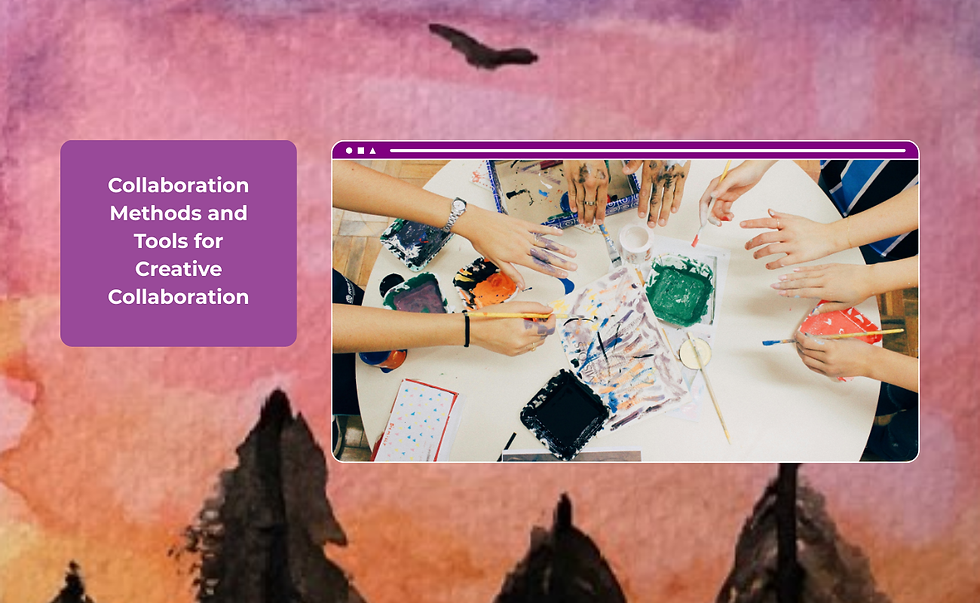
To ensure objectives are reached and deadlines are met, implement structures through visual feedback best practices when collaborating. Structures and the right visual collaboration tools are still required despite the flexible nature of creative work.
Shared and Aligned Visual References
When designs and ideas are confirmed, a space where these are documented is essential to reduce miscommunication. So, an editor requires rechecking the composition or colours in visual feedback; they can refer to them easily without needing to recheck with other departments.
Frame-Accurate Feedback
Animation work isn’t easy when frame-by-frame revision and correction are needed. The right tool that can check an animated work frame by frame cuts the frustration of needing to pause or scroll through an animation, picture by picture, in a separate folder.
With the right tool, like our TESSR Review, creative project management software that understands the flow and requirements of creative work, like animated work, the time spent in feedback sessions is reduced.
Asynchronous Visual Review
With remote work and flexible hours, visual review may not happen on the spot, requiring a tool that enables synchronicity. So, asynchronous tools that don’t need parties to be online simultaneously to collaborate prevent delayed work from happening.
Key Takeaways
Visual collaboration requires the right tool and know-how to ensure smooth cooperation and transition.
Project management for creatives can be the key to better visual feedback for a creative space.
To help you further, here’s a step-by-step for a collaboration workflow to get you and your team started.

Frequently Asked Questions (FAQs)
Can visual collaboration work remotely?
Yes, it can by utilising tools that allow real-time collaboration in the same space.
How do you reduce revision cycles?
To reduce revision cycles for your feedback sessions, ensure you have clear steps and processes when engaging in your work. Even before that, set the right expectations for your stakeholders and clients. On the other hand, when presented with a client request, confirm specific and actionable feedback.
Do small creative teams need formal workflows?
Yes, formal workflows can prevent clutter and stop potential delays even in a small creative team. Establishing a structure early can also prevent miscommunications and missed deadlines.
Author Bio
With a background in Arts English, Adilla has been a casual writer for various hobbies, like parodies of animated shows and plots for board games. She loves to read anything and everything from fantasy stories to articles on tips and tricks. Now an advocate for mental health and effective project management for the creative industry. Currently, Adilla resides in Malaysia and is a creative writer at TESSR. To know more about her, check out her LinkedIn.

Comments