Finding Your Creative Support Network: A Guide to Feeling Less Alone
Updated: Jul 30

TL;DR
Creative work feels less lonely when you have people who understand your journey.
By having a support network, you will learn to cope better: This is beneficial when you face pressures that are commonly found in creative work.
Seeking support shouldn’t be a last resort either: A community can provide support and help you deal with and prevent issues like creative burnout.
Start seeking your own creative community: Surround yourself with people who are passionate about art and creativity and aware of the importance of artists’ mental well-being.
Creative work asks a lot of you. The long hours of thinking, making, and refining — all of it takes real energy. And while that process can feel fulfilling, it can also feel lonely.
In many creative fields, team members work on different parts of a project at the same time. For example, pre-planning for an animation project might be split into different tasks, such as prop design, storyboarding, and scriptwriting. This structure keeps projects moving, but it can also leave little room for real connection.
This is where creative support networks step in. A strong support system gives you a place to share what you're going through, exchange ideas, and find encouragement when things feel challenging. Whether you're a designer, writer, animator, or musician, finding the right community can go a long way in helping you feel less alone in your work.
Table of Contents
Why Are Creatives Vulnerable to Isolation? Finding the Right Creative Support for You How Creative Support Networks Support Creatives’ Well-Being 5 Steps to Build a Supportive Network
Why Are Creatives Vulnerable to Isolation

Creative work often involves spending long periods alone. Writers work through drafts independently, designers refine concepts on their own, and artists can spend hours focused on a single piece. Many creatives also place high expectations on themselves, comparing their work to others' and struggling with self-doubt.
Several aspects of creative work can contribute to feelings of isolation:
Long hours of independent work: Creative work often requires long stretches of focused time. While that can be productive, it also means fewer opportunities to connect with others throughout the day.
Moving from project to project: Many creative jobs are project-based. Teams come together for a period of time and then go their separate ways, which can make it harder to build lasting professional relationships.
Getting used to figuring things out yourself: Many creatives are naturally independent problem-solvers. While this can be a strength, this habit sometimes stops them from seeking support without them even realising they need it.
Niche specialisations: Some creative roles are highly specific, which means there may not be many people around who truly understand the challenges that come with the work.
High expectations on their work: The industries can be highly competitive, which leads creatives to place pressure on themselves. The desire to create exceptional work and keep up with the standards can contribute to stress, self-doubt, and feelings of isolation.
While a support network cannot solve every challenge, meaningful connections can help creatives feel understood and supported throughout their creative journey.
Finding the Right Creative Support for You
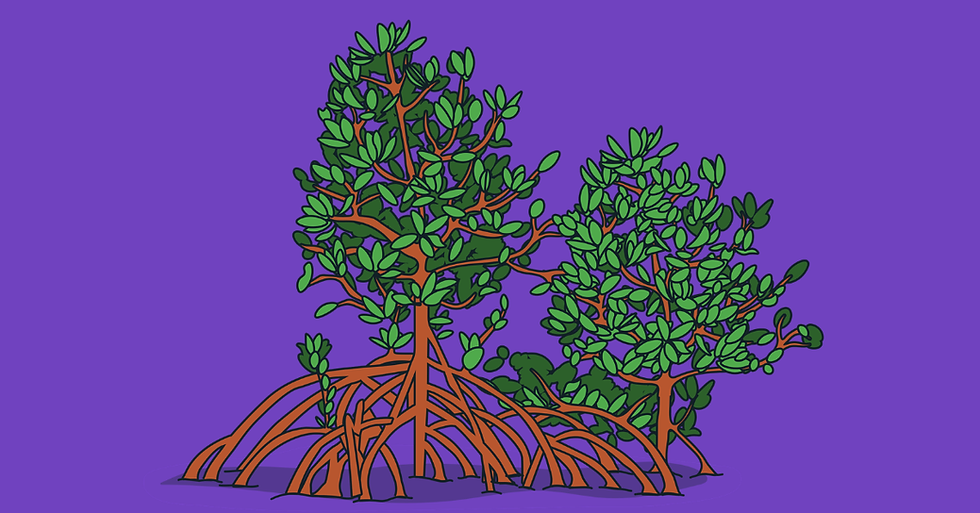
Not every creative needs the same type of support. The challenges faced by a freelance illustrator may be very different from those of an in-house illustrator. That's why it can be useful to explore different forms of support and find what works best for your situation.
Support can come from many places, including friends, mentors, online/offline communities, and even professional services. In order to find the most suitable one that interests you, only then should you slowly filter out what you find most comfortable.
If you're considering mentorship as part of your support system, you may find our article on how mentorship can build creative leaders useful. It explores how mentors can provide guidance, feedback, and encouragement throughout different stages of a creative career.
Types of Creative Supports
In-Person Communities: Creative meetups, art fairs, and networking events bring you face to face with people who share your interests. These spaces make room for open conversation, idea-sharing, and honest feedback.
Online Communities: Distance doesn't have to mean disconnection. Online creative communities allow you to exchange ideas and find inspiration across time zones, learn from others, and get feedback on your work. They’re especially valuable for more introverted creatives, offering space to take in others’ experiences at your own pace and share your thoughts more freely.
Accountability Groups: Accountability groups are formed by creatives with similar goals. Having people who are invested in your growth gives your confidence a real boost.
Mentorship Networks: Mentors can share guidance, industry knowledge, and personal experiences. They may help creatives work through career decisions, identify areas for growth, and gain perspective on challenges they encounter along the way.
How Support Networks Contribute to Your Well-Being
Research from the World Health Organisation shows that social connection plays an important role in well-being. For creatives, these networks can provide something valuable: a sense of belonging that makes the harder parts of creative life feel more manageable.
Provide Encouragement and Opportunities
When you have a community to lean on, the isolation that comes with creative work feels lighter. A supportive community offers more than companionship. It can encourage during difficult periods while creating opportunities to develop communication and collaboration skills through interaction.
Offer Fresh Perspective and Ideas
A creative community creates natural opportunities to exchange ideas. You may discover approaches you hadn't considered or find that a conversation with someone else unlocks something that had been stuck. Beyond inspiration, these exchanges remind you that you don't have to navigate every challenge alone. If you ever feel like your ideas have run dry, this article is a good place to start.
Build Confidence Through Supportive Feedback
A support network can strengthen confidence in your creative work. Feedback from people you trust often feels more constructive and can help your growth. It can also encourage creatives to continue learning, experimenting, and developing their skills without feeling alone in the process.
5 Steps to Build a Supportive Network
Finding a creative community that fits you can take time, and that’s okay. Keep looking and don't let one setback put you off. If a big community feels daunting, start with one person you talk to; let them introduce you to others. Before long, you’ll find people who feel like the right fit.
Step #1: Socialise Curiously
For many creatives, the idea of putting yourself out there can feel uncomfortable. But shared interests make conversations much easier to start. If you attend an art fair and spot an artist whose work moves you, your curiosity is already a conversation opener. Look for events, groups, and spaces that align with what you care about. Over time, these connections can grow into support and encouragement.
Step #2: Build Trust
When you find a community that feels right, focus on showing up as someone people can count on. Encourage discussion, share your thoughts with care, and stay open to different points of view. Trust grows in the spaces where people feel heard.
Step #3: Share Your Struggles
If you're in the middle of a creative block or feeling the weight of burnout, consider opening up to people you trust. You don't need to wait until things feel unbearable. Sometimes a simple conversation can make you feel more understood.
Step #4: Seek Opportunities to Work Together
Collaborating with other creatives can strengthen relationships while creating opportunities to learn from one another. Whether through a shared project or a creative exercise, working together can help people connect while exploring different ideas and approaches.
Step #5: Participate in Creative Spaces
Creative events, workshops, and communities all offer natural openings to meet people and build something real over time. The more you show up, the more your network grows—and the more it becomes something you can lean on.
Key Takeaways
Although creative work can feel like a solitary journey, it doesn't have to stay that way. The right people, whether a mentor, a peer, an online community, or a local group, can make the harder days feel lighter and the good ones worth celebrating together.
You deserve a space where your work is understood, your struggles are met with empathy, and your growth is celebrated. That kind of community exists, and you are worthy of finding it.
Take your time. Show up when you can. And know that reaching out, in whatever form that looks like to you, is always a step worth taking.
Frequently Asked Questions (FAQs)
How can creatives build a support network?
Building a support network often starts with finding people who share similar interests or experiences. This can include joining creative communities, attending industry events, participating in online groups, seeking mentorship, or connecting with peers through collaborative projects.
What should I do if I feel isolated as a creative?
Feeling isolated is a common experience among creatives, especially those who work independently or remotely. Reaching out to trusted friends, joining a creative community, attending local events or participating in online discussions can help create meaningful connections and provide support.
Is mentorship important for creative professionals?
Mentorship can be valuable at any stage of a creative career. A mentor can offer guidance, share industry insights, provide constructive feedback, and help creatives navigate professional challenges with confidence.
Author Bio
The TESSR Editorial Team is a collective of creatives and project management practitioners who enjoy sharing real-life experience on project management, creative workflows, and well-being in the creative industries. The team wants to help creative leaders, project managers, and individuals in animation, design, and creative studios understand the benefits of project management. So, creatives can all create with more freedom and, together, build a more sustainable creative culture.
Check out their LinkedIn page here.


Comments